Precision Agriculture with IoT:
Real-time Field MonitoringAgricoltura di Precisione con IoT:
Monitoraggio del Campo in Tempo Reale
Modern agriculture is becoming more data-driven. IoT sensor networks deployed across fields measure soil moisture, temperature, and weather conditions in real-time, enabling farmers to optimize irrigation, reduce water waste, and increase crop yields through evidence-based decisions rather than intuition.
L'agricoltura moderna diventa sempre più orientata ai dati. Le reti di sensori IoT distribuite nei campi misurano in tempo reale l'umidità del suolo, la temperatura e le condizioni meteorologiche, consentendo agli agricoltori di ottimizzare l'irrigazione, ridurre gli sprechi d'acqua e aumentare le rese colturali attraverso decisioni basate su evidenze concrete anziché sull'intuito.
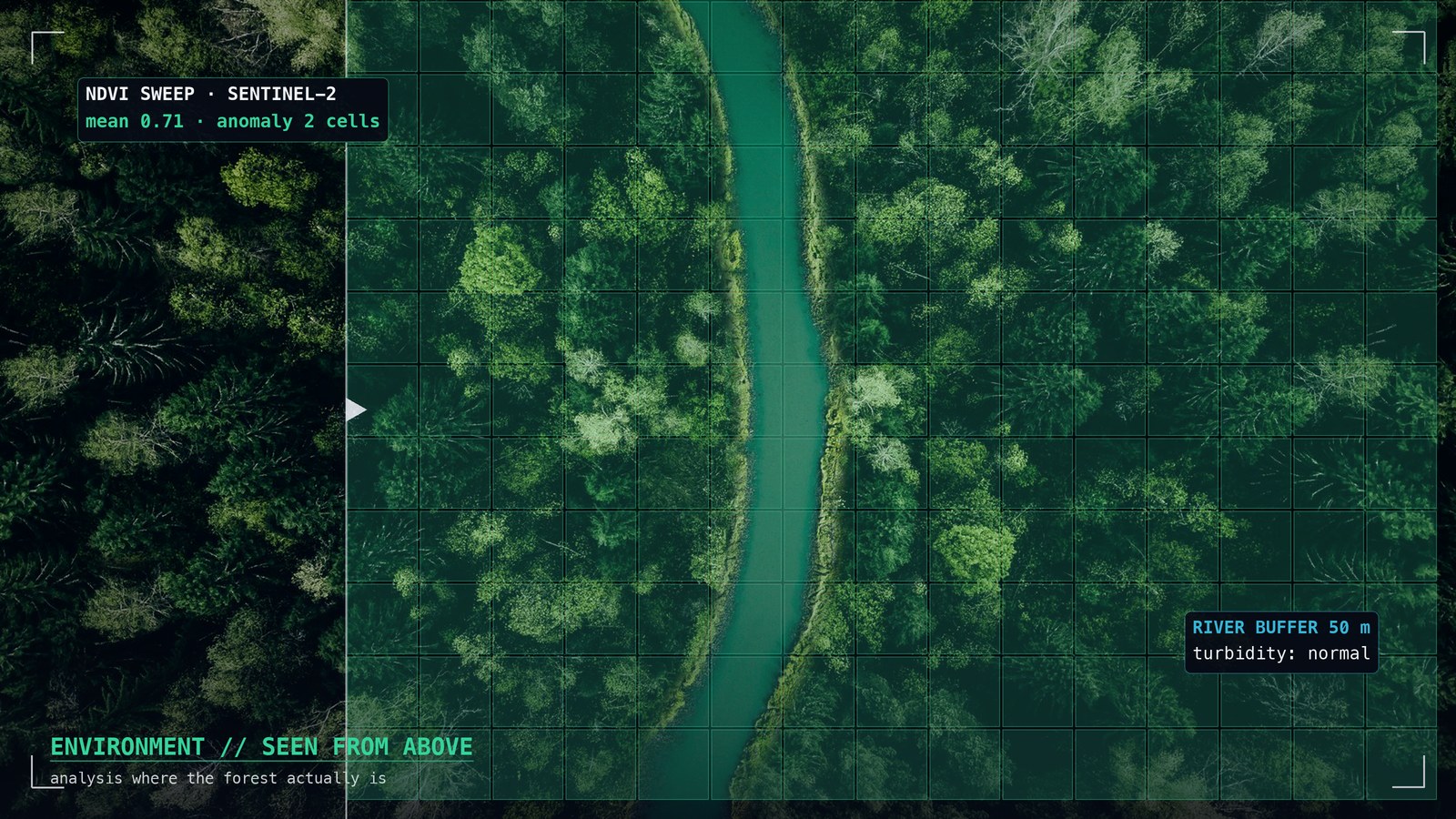
What Is Precision Agriculture?Cos'è l'Agricoltura di Precisione?
Precision agriculture uses technology to measure and respond to variability in crop conditions across a field. Rather than applying the same irrigation, fertilizer, or pesticide dose uniformly, farmers collect geospatial data on soil properties and crop health, then adjust inputs by location to maximize yield while minimizing waste.
L'agricoltura di precisione utilizza la tecnologia per misurare e rispondere alla variabilità delle condizioni colturali in un campo. Anziché applicare uniformemente la stessa dose di irrigazione, fertilizzante o pesticida, gli agricoltori raccolgono dati geospaziali sulle proprietà del suolo e sulla salute delle colture, adeguando poi gli input in base alla posizione per massimizzare la resa e minimizzare gli sprechi.
IoT sensor network monitoring soil moisture and temperature across a field. Moisture heatmap shows zones requiring irrigation.Rete di sensori IoT per il monitoraggio dell'umidità del suolo e della temperatura in un campo. La mappa termica dell'umidità evidenzia le zone che richiedono irrigazione.
IoT Sensor NetworksReti di Sensori IoT
A typical precision agriculture setup includes soil moisture sensors, temperature probes, weather stations, and GPS-enabled gateways that relay data to cloud platforms. Modern sensors are battery-powered, low-cost, and capable of operating for years on a single charge through low-power wireless protocols like LoRaWAN or NB-IoT.
Una tipica configurazione di agricoltura di precisione include sensori di umidità del suolo, sonde di temperatura, stazioni meteorologiche e gateway GPS che trasmettono i dati alle piattaforme cloud. I sensori moderni sono alimentati a batteria, a basso costo e in grado di funzionare per anni con una singola carica grazie a protocolli wireless a basso consumo come LoRaWAN o NB-IoT.
Soil Moisture SensorsSensori di Umidità del Suolo
Measure volumetric water content at varying soil depths. Data feeds irrigation controllers to deliver water only when needed, reducing water consumption by 20-40% compared to traditional scheduling.Misurano il contenuto volumetrico d'acqua a varie profondità del suolo. I dati alimentano i controllori d'irrigazione per erogare acqua solo quando necessario, riducendo il consumo idrico del 20-40% rispetto alla programmazione tradizionale.
Temperature & Humidity ProbesSonde di Temperatura e Umidità
Track microclimate variations across the field. Critical for disease prediction — many crop pathogens thrive in specific temperature/humidity ranges that can be monitored and acted upon.Tracciano le variazioni microclimatiche nel campo. Fondamentali per la previsione delle malattie — molti patogeni prosperano in specifici intervalli di temperatura/umidità che possono essere monitorati e gestiti tempestivamente.
Weather StationsStazioni Meteorologiche
Capture rainfall, wind speed, solar radiation, and atmospheric pressure. Integrate with crop models to predict disease risk, optimize pesticide application timing, and forecast frost damage risk.Rilevano precipitazioni, velocità del vento, radiazione solare e pressione atmosferica. Si integrano con i modelli colturali per prevedere il rischio di malattie, ottimizzare i tempi di applicazione dei fitofarmaci e stimare il rischio di danni da gelo.
GPS MappingMappatura GPS
Georeferenced sensor data creates spatial maps of field conditions. Variable-rate equipment uses these maps to adjust seed density, fertilizer application, or irrigation intensity by location.I dati dei sensori georeferenziati creano mappe spaziali delle condizioni del campo. Le macchine a dosaggio variabile utilizzano queste mappe per adeguare la densità di semina, la distribuzione di fertilizzanti o l'intensità di irrigazione in base alla posizione.
Real-time Field MonitoringMonitoraggio del Campo in Tempo Reale
Data collected from field sensors flows into cloud dashboards that farmers monitor on tablets or phones. Automated alerts notify operators when soil moisture drops below a threshold, or when disease risk exceeds a critical level. This real-time visibility enables quick response — irrigation can be activated within hours of detecting dry conditions, rather than waiting for the weekly irrigation schedule.
I dati raccolti dai sensori di campo confluiscono in dashboard cloud che gli agricoltori monitorano su tablet o smartphone. Avvisi automatici notificano gli operatori quando l'umidità del suolo scende sotto una soglia o quando il rischio di malattia supera un livello critico. Questa visibilità in tempo reale consente una risposta rapida: l'irrigazione può essere attivata entro poche ore dal rilevamento di condizioni di siccità, senza attendere il programma settimanale.
Yield OptimizationOttimizzazione della Resa
Historical field data combined with weather records, soil maps, and agronomic models enable predictive analytics for yield optimization. By correlating soil moisture patterns, nutrient levels, and rainfall timing with actual harvest yields, machine learning models identify the input strategies that maximize production. Farmers can simulate scenarios before committing to changes, reducing risk and improving confidence in management decisions.
I dati storici del campo, combinati con i registri meteorologici, le mappe del suolo e i modelli agronomici, abilitano l'analisi predittiva per l'ottimizzazione della resa. Correllando i modelli di umidità del suolo, i livelli di nutrienti e i tempi di precipitazione con le rese effettive del raccolto, i modelli di machine learning identificano le strategie di input che massimizzano la produzione. Gli agricoltori possono simulare scenari prima di attuare cambiamenti, riducendo il rischio e aumentando la fiducia nelle decisioni gestionali.
NEXT Fusion IntegrationIntegrazione con NEXT Fusion
The NEXT Fusion provides a unified interface for visualizing agronomic data on interactive maps. Import sensor readings as point layers, overlay soil maps and field boundaries, and use spatial analysis tools to identify patterns that correlate with yield variations. Build custom dashboards that update in real-time as sensors report new data.
La piattaforma NEXT Fusion offre un'interfaccia unificata per visualizzare i dati agronomici su mappe interattive. Importa le letture dei sensori come layer puntuali, sovrapponi le mappe del suolo e i confini dei campi, e utilizza gli strumenti di analisi spaziale per identificare i modelli correlati alle variazioni di resa. Costruisci dashboard personalizzate che si aggiornano in tempo reale man mano che i sensori riportano nuovi dati.