Logistics Network Optimization:
Real-time Visibility and RoutingOttimizzazione della Rete Logistica:
Visibilità e Instradamento in Tempo Reale
Modern supply chains demand complete visibility from warehouse to customer door. Real-time tracking networks combined with dynamic route optimization reduce transit times, lower fuel costs, and improve customer satisfaction through accurate delivery predictions and proactive exception management.
Le supply chain moderne richiedono una visibilità completa dal magazzino alla porta del cliente. Le reti di tracciamento in tempo reale combinate con l'ottimizzazione dinamica dei percorsi riducono i tempi di transito, abbassano i costi del carburante e migliorano la soddisfazione del cliente grazie a previsioni di consegna accurate e alla gestione proattiva delle eccezioni.
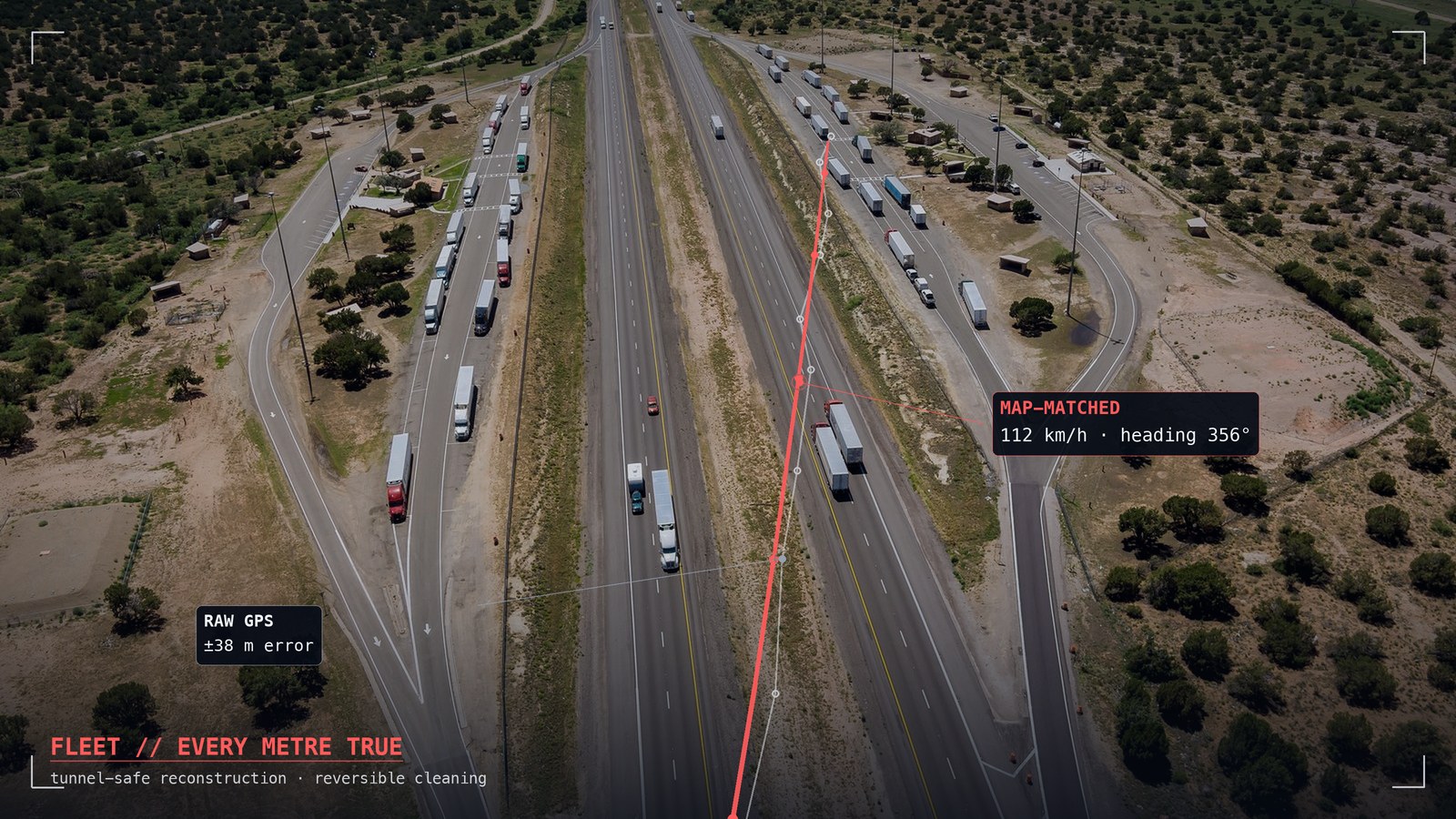
Supply Chain VisibilityVisibilità della Supply Chain
End-to-end supply chain visibility means knowing the status of every shipment, every vehicle, every inventory unit in real-time. GPS-equipped vehicles, RFID tags, and IoT sensors report locations and conditions continuously. This data feeds into logistics control towers that alert managers to delays, exceptions, or opportunities for optimization.
La visibilità end-to-end della supply chain significa conoscere in tempo reale lo stato di ogni spedizione, ogni veicolo, ogni unità di inventario. I veicoli dotati di GPS, i tag RFID e i sensori IoT segnalano continuamente posizioni e condizioni. Questi dati alimentano le control tower logistiche che allertano i responsabili su ritardi, eccezioni o opportunità di ottimizzazione.
Logistics network showing active routes, vehicle count, and delivery hubs. Green = on-time, red = delayed routes requiring intervention.Rete logistica con percorsi attivi, numero di veicoli e hub di consegna. Verde = in orario, rosso = percorsi in ritardo che richiedono intervento.
Real-time TrackingTracciamento in Tempo Reale
GPS tracking devices in vehicles provide location updates every 30-60 seconds. Modern systems augment GPS with cellular triangulation and dead reckoning for indoor or urban canyon scenarios. Customers receive proactive delivery notifications: "Your package is 45 minutes away" is far more valuable than reactive notifications after missed deliveries.
I dispositivi di tracciamento GPS nei veicoli forniscono aggiornamenti di posizione ogni 30-60 secondi. I sistemi moderni integrano il GPS con la triangolazione cellulare e il calcolo a stima per scenari interni o in corridoi urbani. I clienti ricevono notifiche di consegna proattive: "Il tuo pacco è a 45 minuti" è molto più utile delle notifiche reattive dopo mancate consegne.
Vehicle TrackingTracciamento Veicoli
Continuous GPS updates enable managers to see the live position of every vehicle on a map. Identify delayed shipments early and take corrective action before customers complain.Gli aggiornamenti GPS continui consentono ai responsabili di visualizzare su mappa la posizione in tempo reale di ogni veicolo. Identificare le spedizioni in ritardo tempestivamente e adottare misure correttive prima che i clienti si lamentino.
Proof of DeliveryProva di Consegna
Drivers capture signatures or photos at each delivery stop, timestamped and geotagged. Automatically syncs with ERP systems, reducing manual reconciliation work and eliminating disputes over delivery timing.Gli autisti acquisiscono firme o foto a ogni tappa di consegna, con marca temporale e geotag. Si sincronizza automaticamente con i sistemi ERP, riducendo il lavoro manuale di riconciliazione ed eliminando le controversie sui tempi di consegna.
Temperature & Condition MonitoringMonitoraggio Temperatura e Condizioni
For perishables or sensitive goods, IoT sensors track temperature, humidity, and shock throughout transit. Alerts trigger if conditions exceed acceptable ranges, enabling prevention of spoilage.Per i prodotti deperibili o merci sensibili, i sensori IoT monitorano temperatura, umidità e urti durante il trasporto. Gli avvisi scattano se le condizioni superano i limiti accettabili, consentendo di prevenire il deterioramento.
Predictive Delivery WindowsFinestre di Consegna Predittive
Machine learning models on historical data predict accurate arrival windows accounting for traffic, weather, and driver behavior. Reduce customer wait times and improve satisfaction.I modelli di machine learning sui dati storici prevedono finestre di arrivo accurate tenendo conto del traffico, del meteo e del comportamento del conducente. Riducono i tempi di attesa dei clienti e migliorano la soddisfazione.
Route OptimizationOttimizzazione dei Percorsi
Dynamic route optimization algorithms replan routes in real-time as new orders arrive and traffic conditions change. Modern engines solve the Traveling Salesman Problem with hundreds of stops in seconds, accounting for vehicle capacity, time windows, driver regulations, and traffic predictions. Reduces fuel consumption and improves on-time delivery rates simultaneously.
Gli algoritmi di ottimizzazione dinamica dei percorsi ripianificano i tragitti in tempo reale all'arrivo di nuovi ordini e al variare delle condizioni del traffico. I motori moderni risolvono il Problema del Commesso Viaggiatore con centinaia di fermate in pochi secondi, tenendo conto della capacità del veicolo, delle finestre temporali, delle normative sui conducenti e delle previsioni di traffico. Riducono simultaneamente il consumo di carburante e migliorano i tassi di consegna puntuale.
Performance AnalyticsAnalisi delle Prestazioni
Historical tracking data reveals performance patterns: which routes consistently exceed planned times, which drivers complete deliveries fastest, which depots have the highest exception rates. Analytics identify the root causes (traffic corridors, hub congestion, driver skill gaps) enabling targeted improvements that reduce cost and improve customer experience.
I dati storici di tracciamento rivelano i modelli di performance: quali percorsi superano sistematicamente i tempi pianificati, quali autisti completano le consegne più velocemente, quali depositi hanno i tassi di eccezione più elevati. Le analisi identificano le cause profonde (corridoi di traffico, congestione degli hub, lacune nelle competenze degli autisti) consentendo miglioramenti mirati che riducono i costi e migliorano l'esperienza del cliente.
NEXT Fusion IntegrationIntegrazione con NEXT Fusion
The NEXT Fusion provides unified mapping of supply chain networks: live vehicle positions, delivery zones, warehouse locations, and customer clusters. Combine with traffic data and historical routes to identify optimization opportunities and visualize the impact of network changes before implementation.
La piattaforma NEXT Fusion offre una mappatura unificata delle reti di supply chain: posizioni live dei veicoli, zone di consegna, ubicazioni dei magazzini e cluster di clienti. Combina con i dati sul traffico e i percorsi storici per identificare opportunità di ottimizzazione e visualizzare l'impatto delle modifiche alla rete prima dell'implementazione.