Financial Services Risk Mapping:
Geospatial Fraud DetectionMappatura del Rischio nei Servizi Finanziari:
Rilevamento Geospaziale delle Frodi
Financial institutions face a geography of risk. Fraud patterns cluster in specific locations, fraud rings operate across regional boundaries, and legitimate transactions vary by neighborhood and income level. By applying geospatial analysis to transaction data, financial firms detect anomalies, prevent fraud, and manage regulatory risk in real-time.
Le istituzioni finanziarie si confrontano con una geografia del rischio. I modelli di frode si concentrano in luoghi specifici, le organizzazioni criminali operano attraverso confini regionali e le transazioni legittime variano per quartiere e livello di reddito. Applicando l'analisi geospaziale ai dati sulle transazioni, le società finanziarie rilevano anomalie, prevengono le frodi e gestiscono il rischio regolatorio in tempo reale.
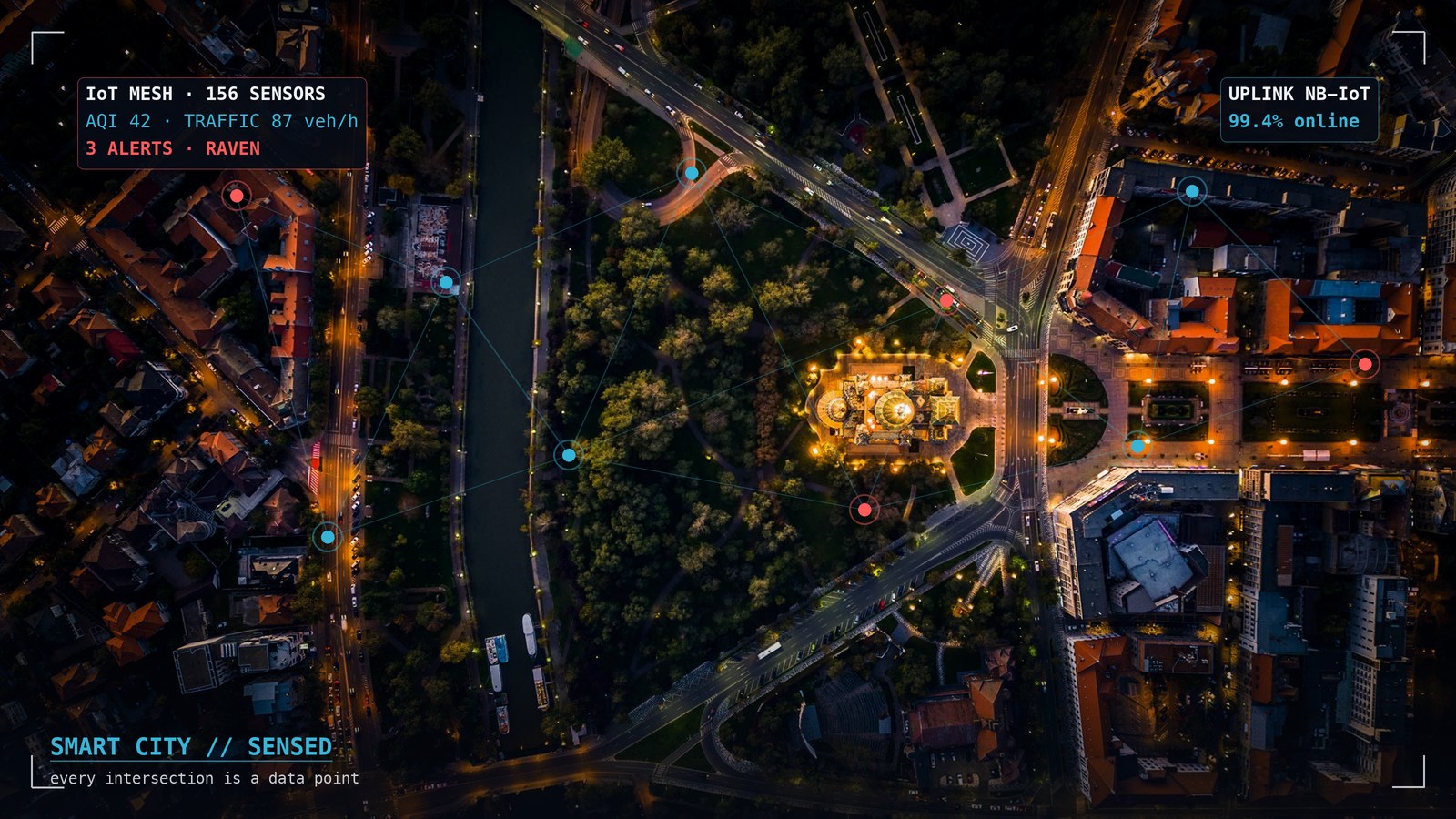
Geography of Financial RiskLa Geografia del Rischio Finanziario
Fraud is not uniformly distributed. Certain neighborhoods have higher incident rates due to socioeconomic factors, transient populations, or organized fraud rings. Legitimate transactions also vary geographically: urban areas see high-frequency, low-value transactions; rural areas show longer transaction intervals but higher individual values. Financial risk intelligence requires understanding these geospatial patterns. By mapping transactions against neighborhood demographics, income levels, and known fraud hotspots, institutions can identify suspicious activity that deviates from local norms.
La frode non è distribuita uniformemente. Alcuni quartieri presentano tassi di incidenza più elevati a causa di fattori socioeconomici, popolazioni di passaggio o organizzazioni criminali strutturate. Anche le transazioni legittime variano geograficamente: le aree urbane registrano transazioni ad alta frequenza e basso valore; le aree rurali mostrano intervalli di transazione più lunghi ma valori individuali più elevati. L'intelligence sul rischio finanziario richiede la comprensione di questi modelli geospaziali. Mappando le transazioni rispetto ai dati demografici dei quartieri, ai livelli di reddito e ai punti critici di frode noti, le istituzioni possono identificare l'attività sospetta che si discosta dalle norme locali.
Risk heatmap showing fraud hotspots (red zones), medium-risk areas (orange), and watched lists (yellow). Each dot represents a transaction colored by risk status.Mappa termica del rischio con hotspot di frode (zone rosse), aree a rischio medio (arancione) e liste di sorveglianza (giallo). Ogni punto rappresenta una transazione colorata in base allo stato di rischio.
Fraud Detection NetworksReti di Rilevamento Frodi
Modern fraud detection systems process millions of transactions in real-time, comparing each transaction against geographic baselines. Machine learning models trained on historical fraud cases recognize patterns: a $500 ATM withdrawal at 3 AM in a high-risk zone flags as suspicious; the same withdrawal in the customer's home neighborhood during business hours is routine. Geographic behavioral profiles capture each customer's typical transaction geography: their home area, workplace, frequent merchants, and travel patterns. Anomalies surface when transactions occur far from expected locations or at unusual times.
I moderni sistemi di rilevamento frodi elaborano milioni di transazioni in tempo reale, confrontando ciascuna con le linee di base geografiche. I modelli di machine learning addestrati su casi storici di frode riconoscono i modelli: un prelievo ATM di 500€ alle 3 di notte in una zona ad alto rischio viene segnalato come sospetto; lo stesso prelievo nel quartiere di residenza del cliente durante l'orario lavorativo è di routine. I profili comportamentali geografici catturano la tipica geografia transazionale di ogni cliente: area di residenza, luogo di lavoro, commercianti frequentati e abitudini di viaggio. Le anomalie emergono quando le transazioni avvengono lontano dalle posizioni attese o in orari insoliti.
Spatial Behavioral ProfilesProfili Comportamentali Spaziali
Each customer has a geographic signature: home location, work location, regular merchants, travel patterns. Deviations flag as suspicious. Changes in profile (new job, relocation) are learned over time reducing false positives.Ogni cliente ha una firma geografica: luogo di residenza, luogo di lavoro, commercianti abituali, abitudini di viaggio. Le deviazioni vengono segnalate come sospette. I cambiamenti nel profilo (nuovo lavoro, trasloco) vengono appresi nel tempo, riducendo i falsi positivi.
Geographic Risk ScoringScoring del Rischio Geografico
Transactions are scored based on geographic risk factors: merchant location (known high-fraud zones), customer location at transaction time, distance from home, and neighborhood demographics. Scores drive approval decisions.Le transazioni vengono valutate in base a fattori di rischio geografici: posizione del commerciante (zone note ad alto rischio frode), posizione del cliente al momento della transazione, distanza dalla residenza e dati demografici del quartiere. I punteggi guidano le decisioni di approvazione.
Network AnalysisAnalisi di Rete
Fraud rings often involve coordinated activity across geographies. Network analysis detects when multiple customers make similar transactions from the same location — identifying organized fraud before it scales.Le organizzazioni criminali spesso operano con attività coordinate su più aree geografiche. L'analisi di rete rileva quando più clienti effettuano transazioni simili dalla stessa posizione, identificando la frode organizzata prima che si estenda.
Real-time DecisioningDecisione in Tempo Reale
Decisions are made in milliseconds. High-risk transactions are declined, moderate-risk transactions trigger step-up authentication (OTP, biometric), low-risk transactions approve instantly.Le decisioni vengono prese in millisecondi. Le transazioni ad alto rischio vengono rifiutate, quelle a rischio moderato attivano un'autenticazione rafforzata (OTP, biometria), quelle a basso rischio vengono approvate istantaneamente.
Risk Mapping & HotspotsMappatura del Rischio e Hotspot
Risk analysis teams visualize fraud patterns on geographic maps to identify hotspots and understand root causes. Clustering analysis reveals neighborhoods with disproportionately high fraud rates. Investigative analysts then ask: Is this a socioeconomic factor? An organized fraud ring? A data quality issue? By correlating fraud hotspots with demographic data, law enforcement activity, and known criminal networks, institutions develop targeted interventions: enhanced monitoring in specific merchant categories, partnerships with local law enforcement, or community awareness programs.
I team di analisi del rischio visualizzano i modelli di frode su mappe geografiche per identificare gli hotspot e comprenderne le cause profonde. L'analisi di clustering rivela i quartieri con tassi di frode sproporzionatamente elevati. Gli analisti investigativi si chiedono quindi: è un fattore socioeconomico? Un'organizzazione criminale strutturata? Un problema di qualità dei dati? Correlando gli hotspot di frode con i dati demografici, le attività delle forze dell'ordine e le reti criminali note, le istituzioni sviluppano interventi mirati: monitoraggio rafforzato in categorie specifiche di commercianti, partnership con le forze dell'ordine locali o programmi di sensibilizzazione della comunità.
Real-time Risk AnalyticsAnalisi del Rischio in Tempo Reale
Compliance and risk teams monitor aggregate risk metrics on dashboards updated in real-time. Key metrics include false positive rates (legitimate transactions declined), fraud catch rates (fraudulent transactions stopped), and regulatory metrics (Know Your Customer compliance scores by geography). Geographic drill-down enables investigating spikes in fraud or unusual patterns: a sudden spike in a previously low-risk neighborhood might indicate a breach, changing demographics, or a new fraud ring.
I team di compliance e gestione del rischio monitorano le metriche aggregate di rischio su dashboard aggiornate in tempo reale. Le metriche chiave includono i tassi di falsi positivi (transazioni legittime rifiutate), i tassi di intercettazione frodi (transazioni fraudolente bloccate) e le metriche regolamentari (punteggi di conformità Know Your Customer per area geografica). Il drill-down geografico consente di investigare i picchi di frode o i modelli insoliti: un picco improvviso in un quartiere precedentemente a basso rischio potrebbe indicare una violazione, un cambiamento demografico o una nuova organizzazione criminale.
NEXT Fusion IntegrationIntegrazione con NEXT Fusion
The NEXT Fusion enables financial services teams to build custom fraud detection layers. Import transaction data, customer profiles, and merchant networks as geospatial datasets. Overlay demographic data, known fraud hotspots, and regulatory boundaries. Use spatial analysis tools to correlate fraud patterns with external factors and identify new risk signals before they scale.
La piattaforma NEXT Fusion consente ai team dei servizi finanziari di costruire layer personalizzati di rilevamento frodi. Importa dati sulle transazioni, profili cliente e reti di commercianti come dataset geospaziali. Sovrapponi dati demografici, hotspot di frode noti e confini regolamentari. Utilizza gli strumenti di analisi spaziale per correlare i modelli di frode con fattori esterni e identificare nuovi segnali di rischio prima che si diffondano.